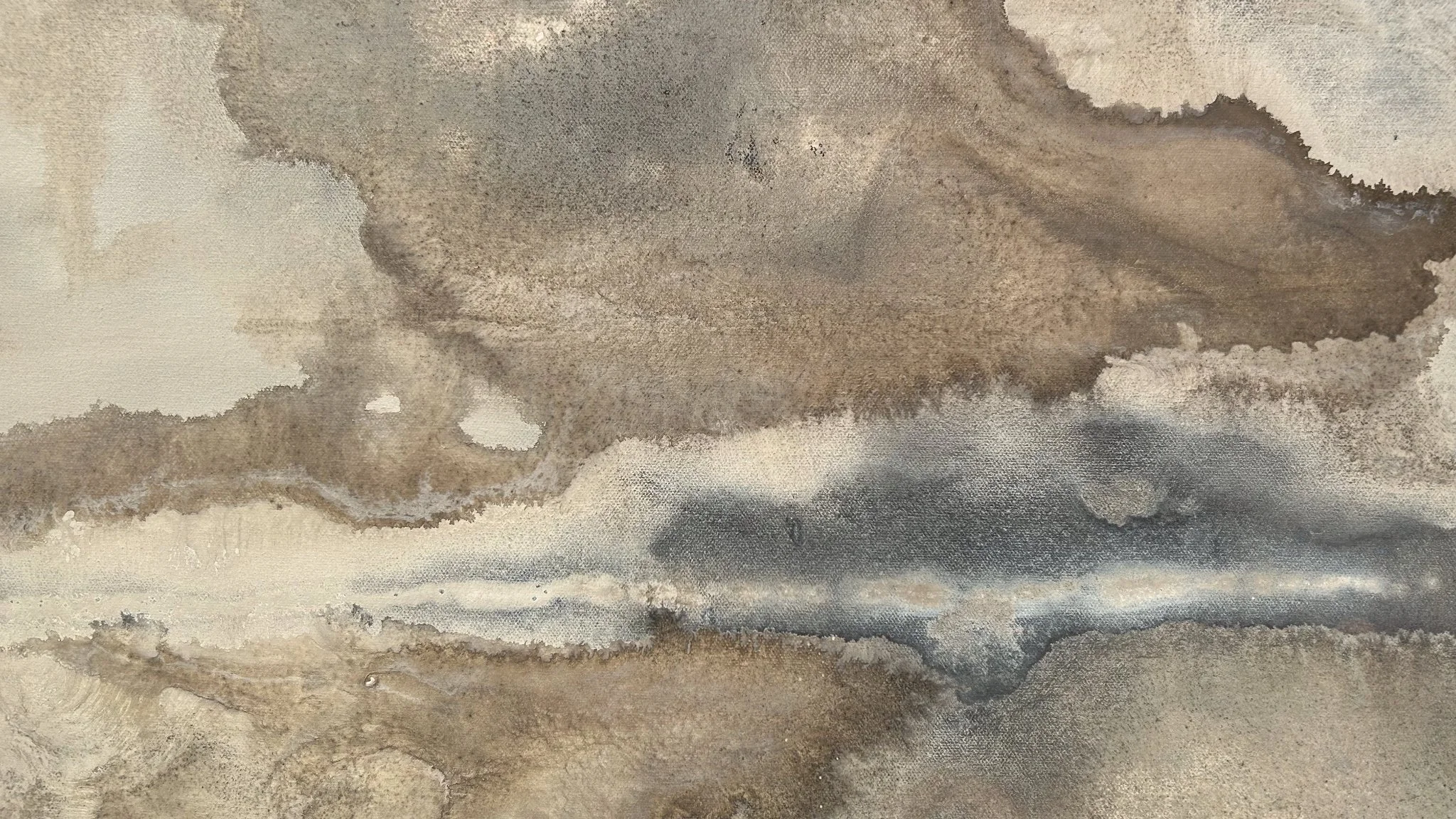
To Wabi the Sabi - 寂びを侘びる -
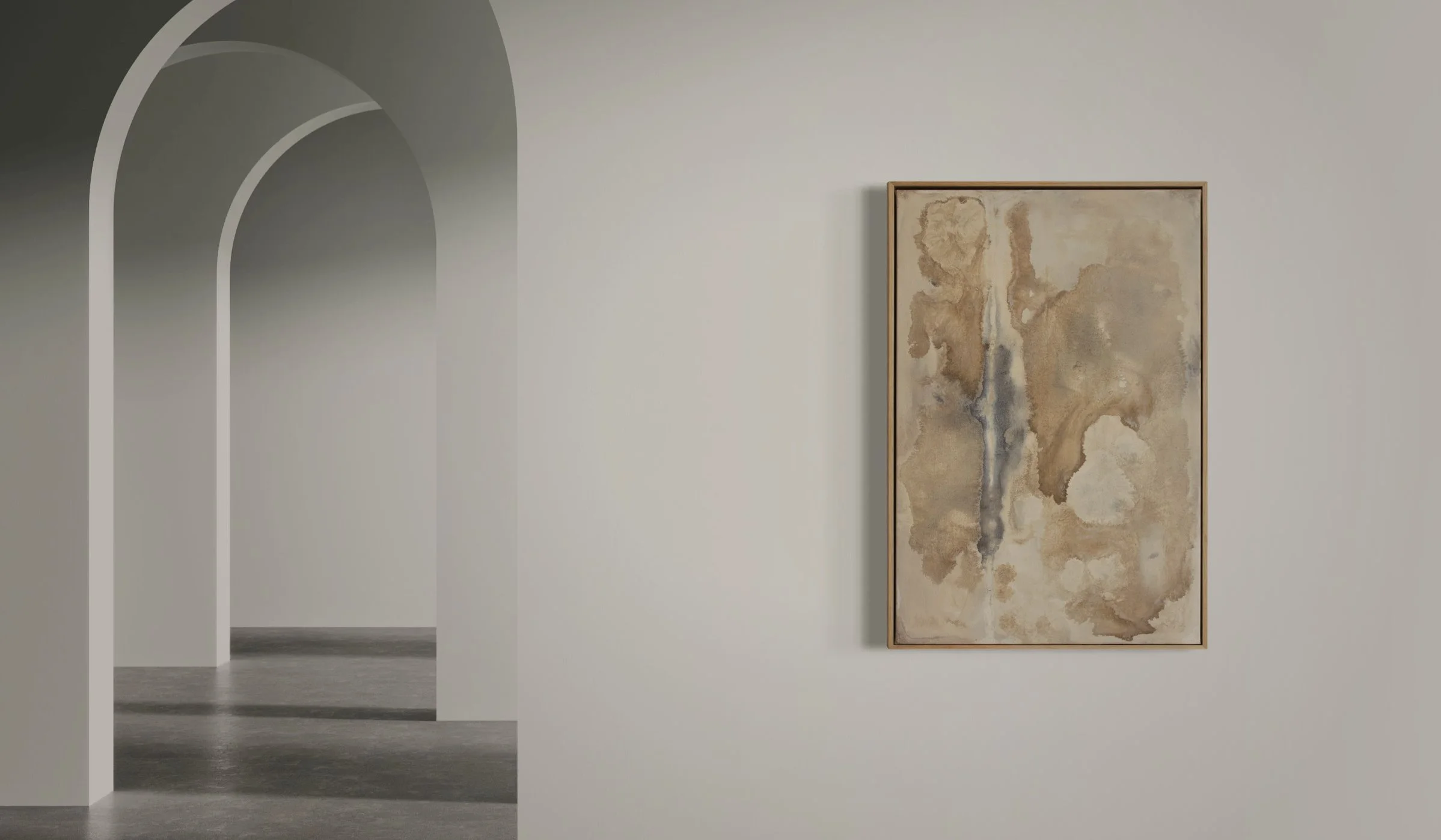
It has been three years since I began refining my own understanding of what wabi-sabi truly means.
Wabi-sabi is often described as one of the core principles of Japanese aesthetics, yet even in Japan, few people can clearly explain what it is.
Many books written by scholars share similar ideas, but their interpretations subtly differ.
Perhaps this is because wabi-sabi is not a concept that can be fully defined by theory alone. It is something that is shaped and cultivated through each person’s life experiences.
1. The History of Wabi-Sabi: The Birth of Wabi-cha
The origins of wabi-sabi can be traced back to wabi-cha, a style of tea practice developed during the mid-Muromachi period by Murata Jukō (1422–1502), a monk and tea master.
Jukō infused Zen philosophy into the tea ceremony, emphasising spiritual exchange over formality or status. Within a small space—often no more than four-and-a-half tatami mats, he valued quiet connection between people.
Rather than using luxurious tea utensils imported from China, which symbolised power and wealth, he found beauty in simple, Japanese-made tools.
Through this, tea became a form of inner cultivation.
Later, Sen no Rikyū refined this approach, shaping what we now recognise as wabi-cha. From this practice emerged the uniquely Japanese aesthetic of wabi-sabi, an appreciation for imperfection, age, and quiet simplicity.
2. The Meaning of Wabi and Sabi
Wabi-sabi can be confusing if you don’t know it comes from two words.
It’s easier to understand when you remember:
“Wabi is the feeling; Sabi is the object.”
Wabi originates from Taoist and Zen thought and refers to a way of seeing, a mindset that finds quiet beauty in simplicity, modesty, and restraint.
Sabi, on the other hand, refers to the physical traces of time: aging, wear, irregularity, and imperfection. It is the patina left by years of use.
At first glance, this may resemble the way we appreciate antiques. However, sabi in Japanese aesthetics is not limited to old or valuable things. It is not about luxurious objects, fine decoration, or wealth.
Rather, it is the teacup your neighbour used every day, or the kimono your grandmother always wore.
That teacup may be chipped from years of use.
That kimono may be faded or stained.
Yet within them live time, memory, and human presence.
Wabi is the feeling that arises when we sense those stories.
When we accept imperfection not as something lacking, but as something complete in its own way.
This perspective extends beyond objects and into life itself.
Wabi-sabi becomes a way of relating to our experiences, our aging, and our circumstances as they are. It is not merely an aesthetic, but a deeply rooted Japanese sensibility. One that has quietly shaped values, attitudes, and ways of living.
In this sense, many Japanese may be practising a Zen-like mindset in everyday life, often without consciously realising it.
3. To Wabi the Sabi
“To wabi the sabi.”
This phrase was taught to me by my tea teacher, and it resonated deeply.
This is the mindset I most want to share in today’s world.
Today, we are constantly shown images of “perfect” lives, large houses, luxury cars, branded possessions displayed across magazines, television, and social media.
We begin to think:
“This is what success looks like.”
“This is the goal.”
“What I have now is not enough.”
This mirrors the time before wabi-cha, when tea gatherings were stages for displaying wealth through expensive imported tools.
There is no end to this cycle.
Once we obtain something, we want more.
“More” always creates another “more.”
But when we choose to live simply, something shifts.
Satisfaction becomes possible.
The desire for “what’s next” fades, and in its place comes the realisation that everything we need is already here. That is where happiness begins. And that is where “more” finally ends.
By embracing sabi, the quiet, imperfect aspects of life, and wabi-ing it with compassion, we may begin to see our own lives differently.
What may appear imperfect is, in fact, deeply human, uniquely yours,
and already beautiful.
Sanae Hayahi
3rd Feb. 2026
-----------------
侘び寂びとは何か。
私はこの問いを、自分なりに掘り下げ続けて、もう3年になります。
侘び寂びは、日本美学の原理のひとつとして語られますが、
実は日本人であっても「それは何か」と明確に説明できる人は多くありません。
多くの研究者や教授が本を書いていますが、書かれていることは似ていても、
どこか少しずつ解釈や重点が異なっています。
それはきっと、侘び寂びという概念が、
理論だけで完成するものではなく、
それぞれの人生の経験の中で育まれていく感覚だからだと思います。
1. 侘び寂びの歴史|わび茶のはじまり
侘び寂びの原型は、室町時代中期、
僧であり茶人でもあった 村田珠光(1422–1502) によって生み出された
「わび茶」にあると言われています。
珠光は、茶の湯に禅の精神を取り入れ、
四畳半ほどの小さな空間の中で、
形式や権威よりも「心の交流」を重んじました。
中国から輸入された高価で豪華な道具ではなく、
日本の素朴な器や、質素な道具にも価値を見出す。
そこには、美を通して心を磨くという思想がありました。
その後、千利休によって、
わび茶はさらに洗練され、
不完全なもの、古びたもの、使い込まれたものに価値を見出す
日本独自の美意識「侘び寂び」として形づくられていきます。
2. 侘びと寂びの意味
「侘びは心、寂びはもの」
と言われます。
侘びは、その思想の源を中国の道教や禅に持ち、
質素で簡素なものの中に美を見出す心の在り方を指します。
寂びは、時間の経過によって生まれる変化、
劣化や古び、欠けや歪みといった、不完全な状態そのものです。
アンティークの家具や道具に美しさを感じる感覚に近いかもしれません。
ただ、日本における「寂び」は、
単に「古いもの」を意味するのではありません。
それは、
上流階級の人々が身につけていた華美なドレスや、
過剰に装飾された道具に感じる美ではなく、
隣に住んでいたおじさんが大切に使っていた茶碗、
おばあちゃんがいつも着ていた着物のようなものです。
その茶碗は、長年使われ、少し欠けているかもしれない。
その着物は、何度も袖を通され、
シミや色あせがあるかもしれない。
けれど、そこには時間があり、
使い手の人生があり、
思い出と物語があります。
侘びとは、
そうした時間の蓄積と人への愛おしさを背景に、
不完全で質素なものを美しいと感じる心なのだと思います。
3. 寂びを侘びる
「寂びを侘びる」
この言葉は、茶道の先生が教えてくださった言葉で、
私の中にとても深く、静かに響きました。
そして、この考え方こそが、
今の世界で私がいちばん伝えたい心の在り方です。
今の時代、
大きな家、高級車、ブランド品に囲まれ、
完璧に見える生活を送るモデルたちが、
雑誌やテレビ、SNSにあふれています。
それを見て私たちは、
「ああなりたい」
「これが成功だ」
「今の自分の生活は、まだ足りない」
と、簡単に思い始めてしまいます。
それは、かつて茶の湯の世界で、
中国からの煌びやかで高価な道具を並べ、
権力や財力を誇示していた時代と、とてもよく似ています。
ここには、終わりがありません。
人は何かを手に入れると、また次を欲しがる。
「もっと」は、常に新しい「もっと」を生み続けます。
けれど、質素に生きると決めたとき、
人は初めて、満足感を味わうことができます。
「欲しい」という感情から解放され、
「すでに、すべてある」という感覚へ。
それは、幸福感へと変わっていきます。
もっと、が終わるのです。
質素なもの「寂び」を、
そのまま受け入れ、慈しむ 「侘び」
その精神を持って、
一見すると不完全に見える、
あなた自身の生活を振り返ってみませんか。
人間らしくて、
あなたらしくて、
そして、十分に美しいものとして。